
Protestant Funeral Services
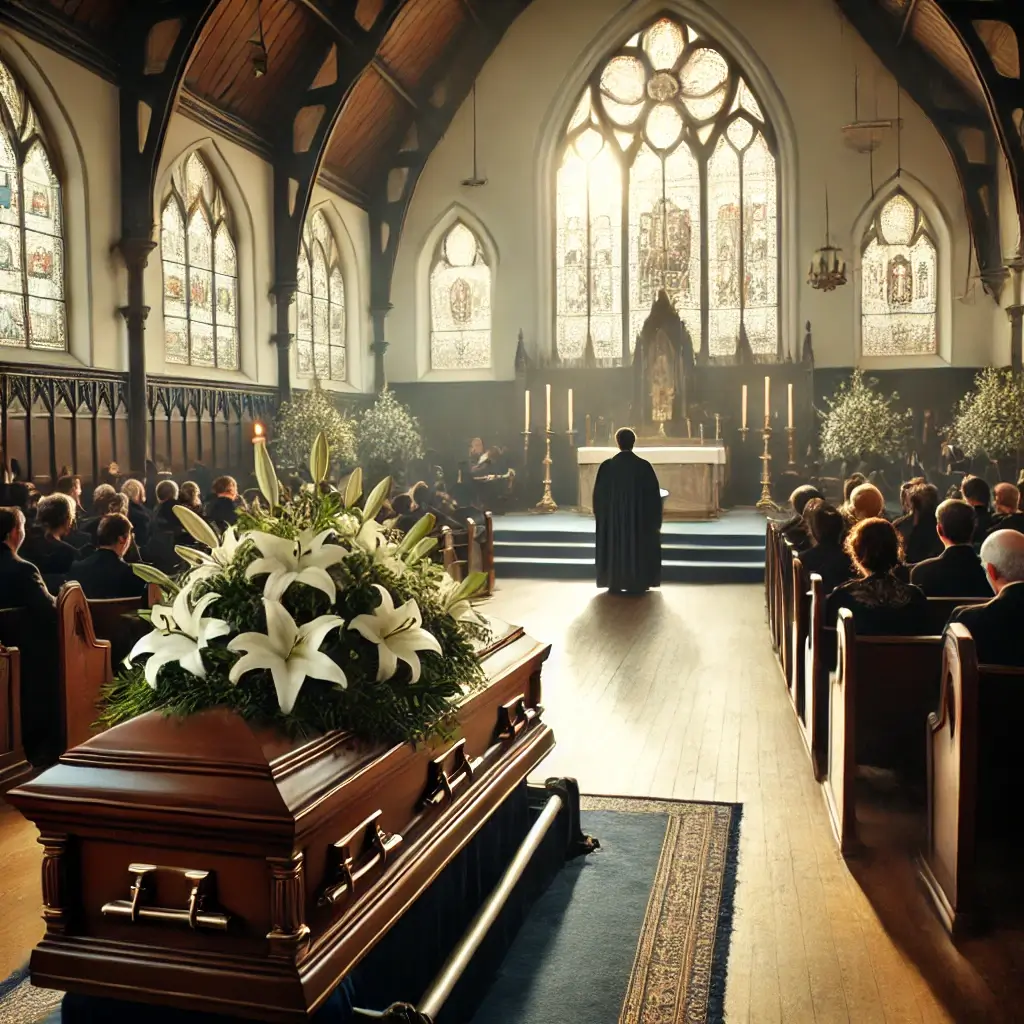
In Protestant Christianity, funerals are steeped in spiritual meaning. While denominational differences are in place, the central theme-one of celebration for the life of the loved one while reaffirming faith in God’s promise of eternal life-remains the same. Unlike other, more ritualized religious services, Protestant funeral services tend to be less structured, with great freedom […]
Orthodox Christian Funerals
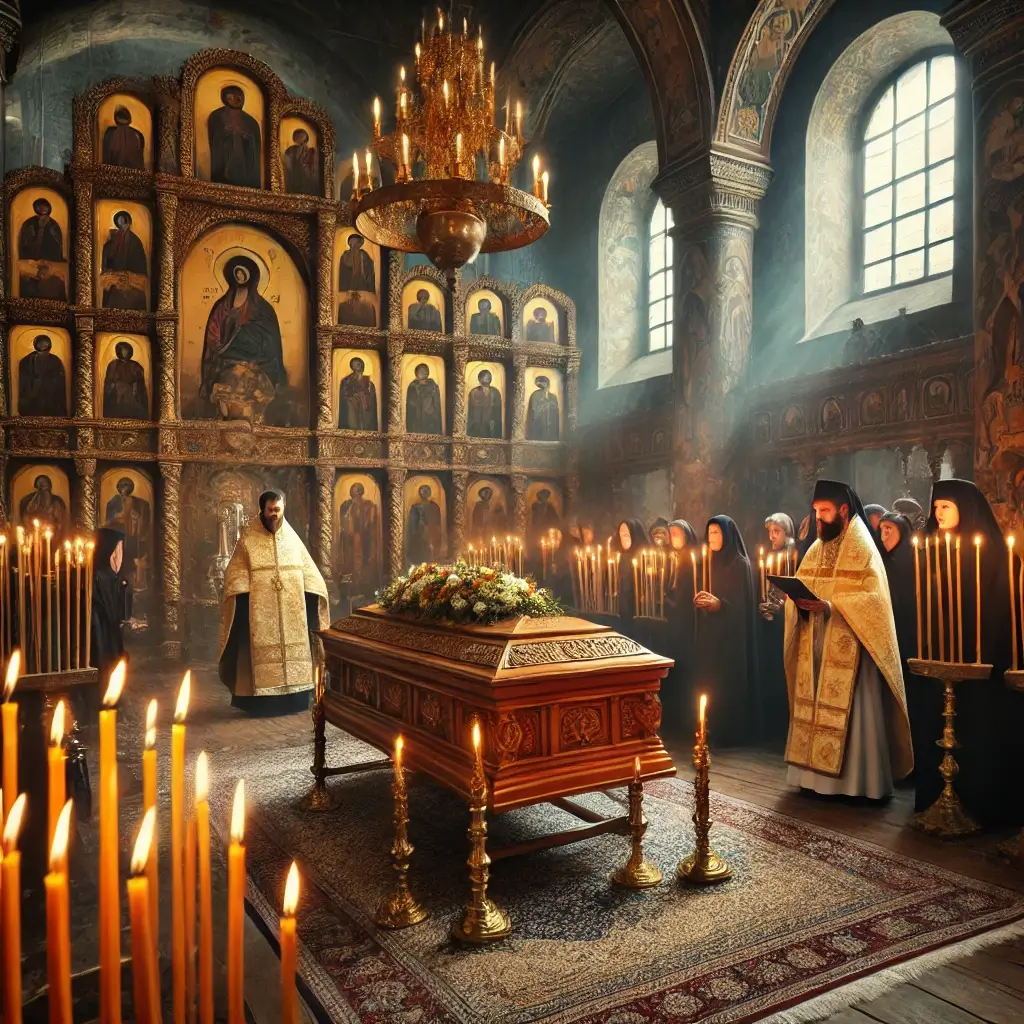
Orthodox Christian funerals represent a profoundly symbolic and ordered ritual that expresses belief in resurrection and eternal life. Centuries-old traditions provide a service that is solemn yet hopeful, comforting the bereaved while praying for the peaceful transference of a departed soul into the afterlife. Unlike most of the other Christian denominations, Orthodox funerals are conducted […]
Hindu Funeral Rites

Death practices in Hinduism are symbol- and tradition-heavy. These practices honor the deceased and guide the soul into its subsequent stage in life in the cycle of living. Reincarnation and karma, two precepts at the core of Hindu thought, preside over life and death in Hindu belief. Death is as much a turning point as […]
Buddhist Funeral Traditions
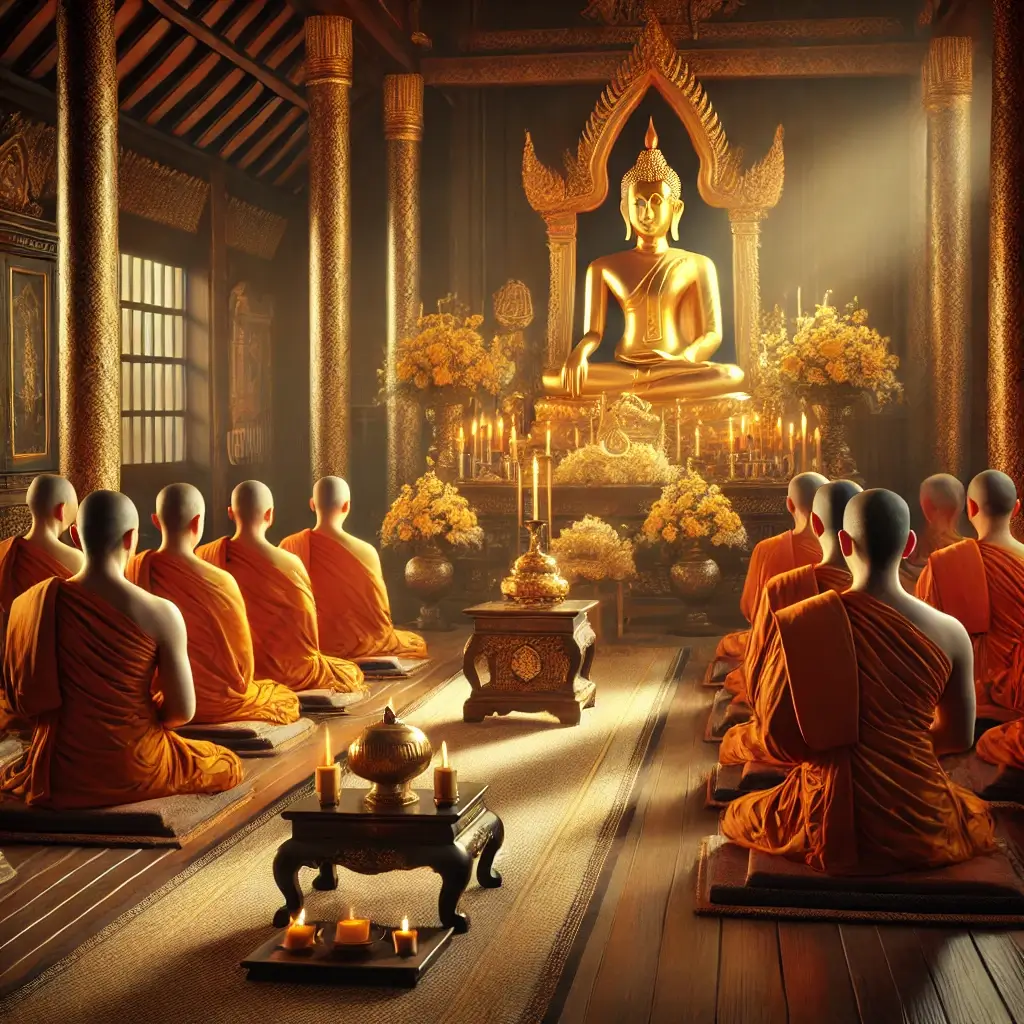
Buddhism is a faith that teaches that death is not necessarily the end, but part of a continuing cycle of change and rebirth. The way a person is cared for after death can carry deep spiritual importance, and Buddhist funeral practices often emphasize compassion, respect, mindfulness, and helping the deceased toward a favorable rebirth. These […]
Mormon Funeral Services

Funerals for Mormons are based in The Church of Jesus Christ of Latter-day Saints (LDS) doctrine and revolve around eternal life, faith, and family. Mortality is a continuation rather than cessation, and the soul persists with its existence into the next phase of existence in the hereafter. A funeral is a recognition of the one […]
Zoroastrian Funeral Traditions
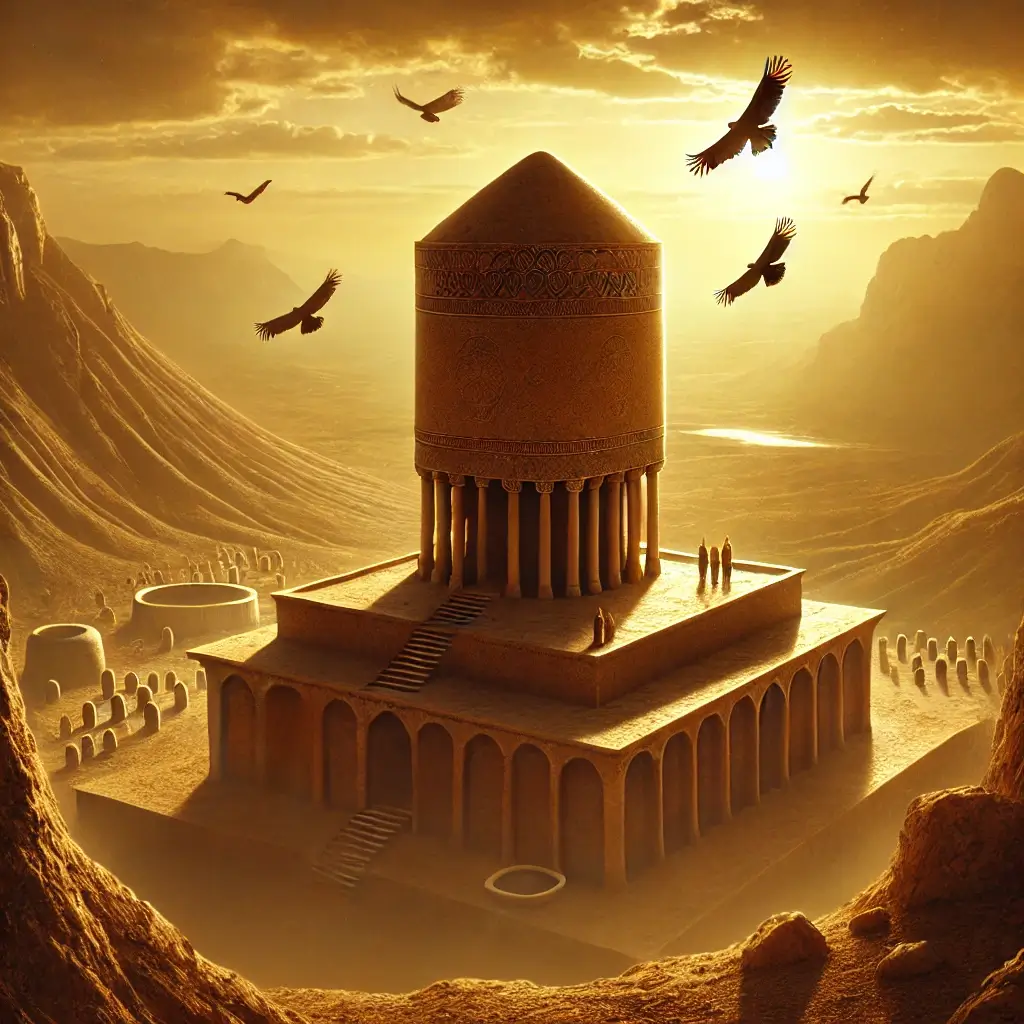
Zoroastrian Funeral Traditions comes from a very old faith, which is referred to in sources such as the Videvdad. In this tradition, death is a transition, not a termination. The prophet Zoroaster initiated this faith, which is centred on the eternal conflict between good (asha) and evil (druj). The funeral tradition is respectful towards the […]
Catholic Funeral Rites
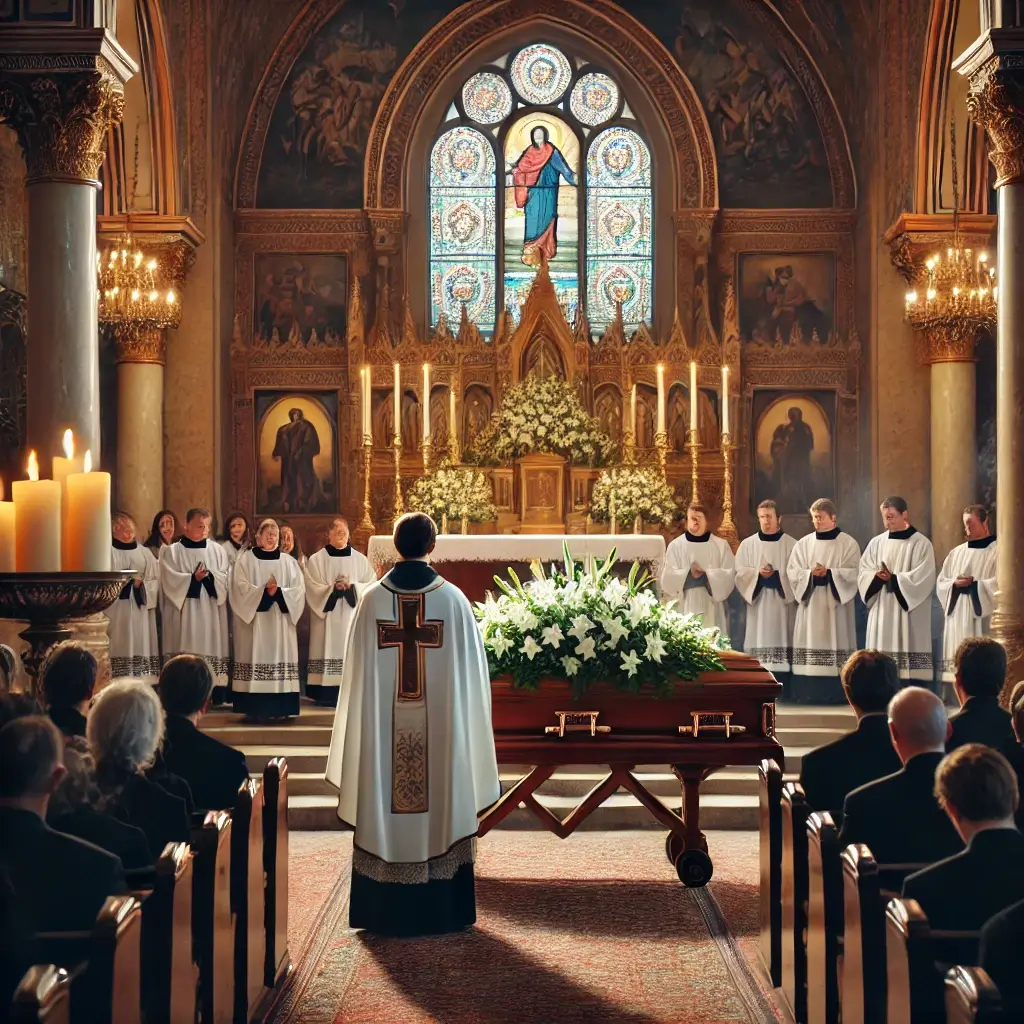
Death is not considered the end in Catholicism but the passage to life eternal. It is this belief that, in fact, reflects in each rite of Catholic funerals, where the family shows their grief for the loss and honors their loved one with prayers, scriptures, and sacred traditions. The order of the burial follows more […]
Muslim Funeral Traditions

Islamic funeral customs are the product of Islamic beliefs and reflect humility, simplicity, and deep respect. Resurrection after death and the Day of Judgment lie at the center of these traditions, with the teachings of Prophet Muhammad (peace be upon him) guiding every step from preparation to burial. From ritual washing to final placement in […]
Jewish Funeral Practices
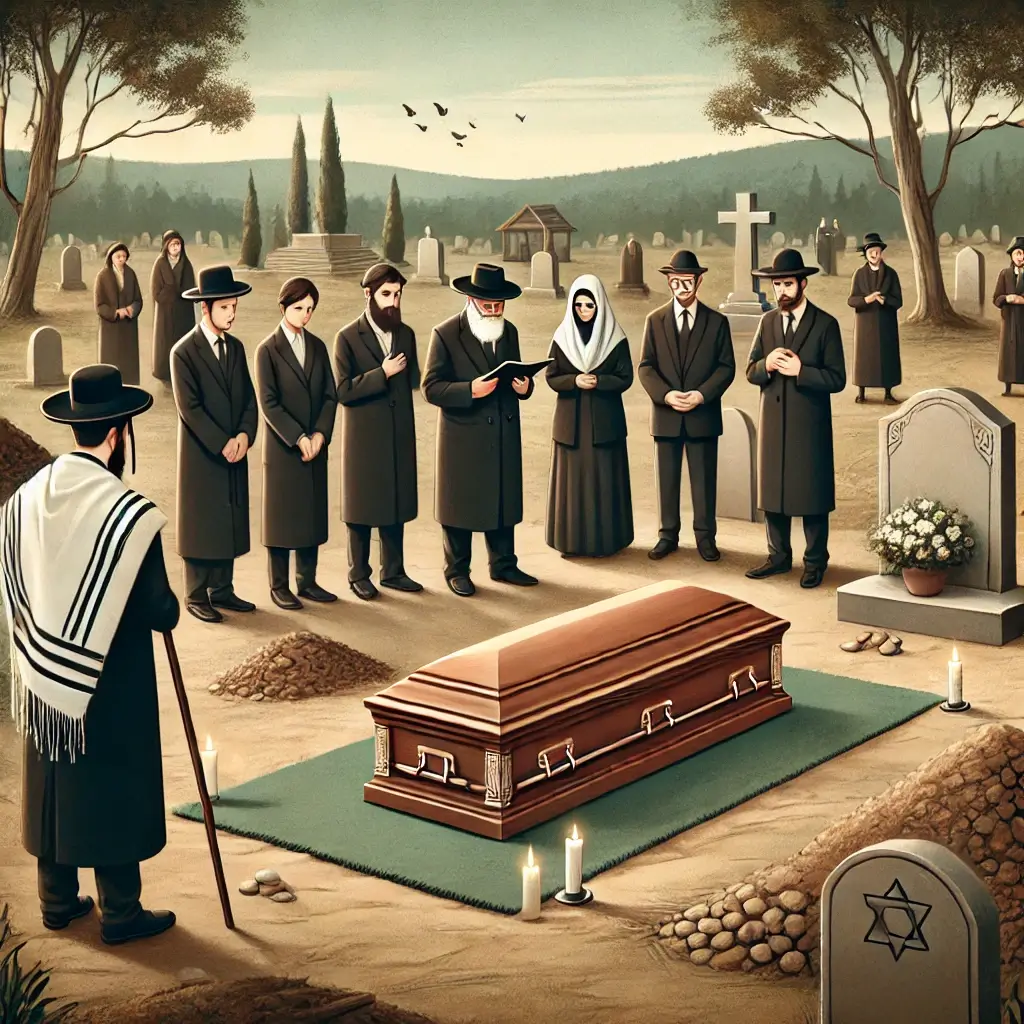
Jewish funeral practices are based on humility, dignity, and tradition. They attempt to honor the dead while consoled and comforting the mourners. Drawing from Jewish law (Halacha), the traditions reflect basic principles about life, death, and the afterlife. The practices esteem simplicity, equality in death, and keeping the dead with dignity. Overview of Jewish Beliefs […]
Sikh Funeral Ceremonies
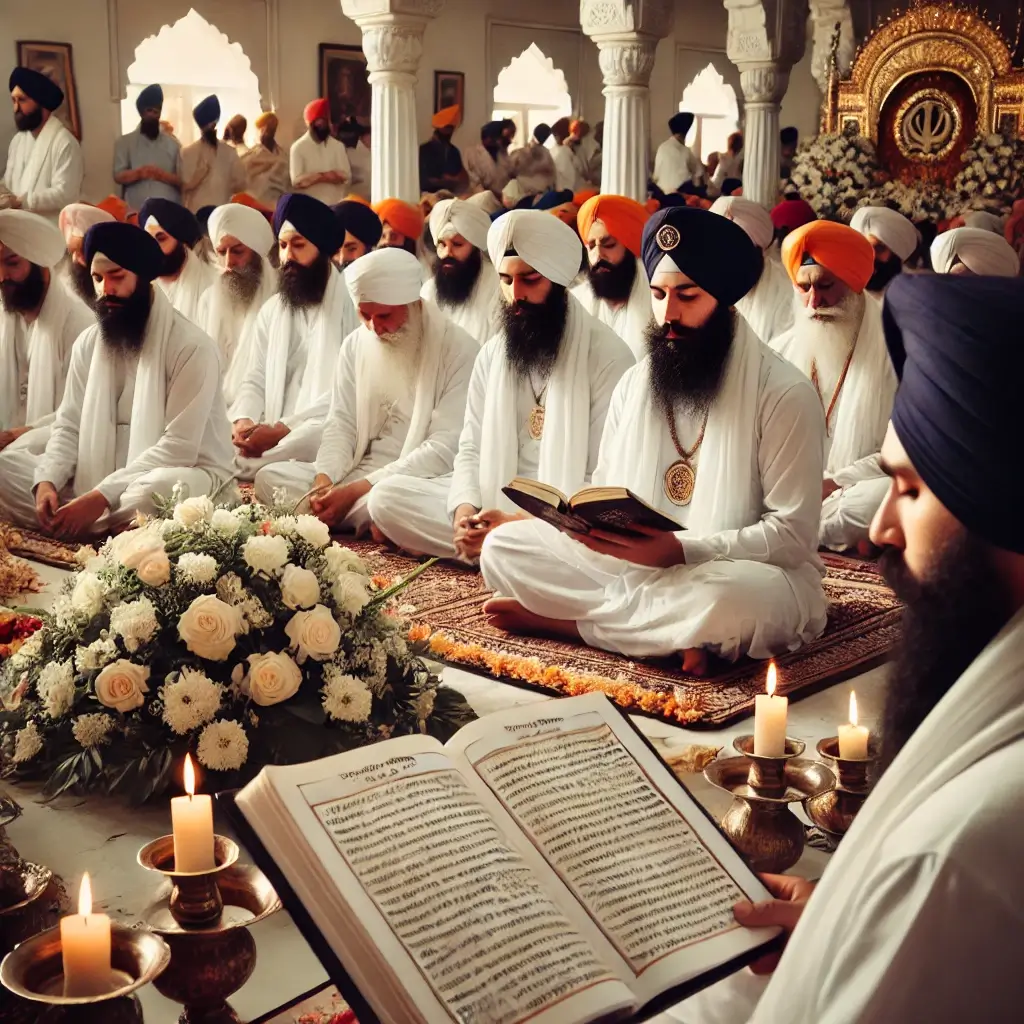
Sikh death rituals, or Antam Sanskar, emphasize spiritual freedom from life not grief. Death, in this context, is merely a journey of the soul returning to Waheguru (the Divine). The rites emphasize prayer, family support, and remembering the person over lamenting despair. Sikhs do recognize the birth, death, and reincarnation cycle but also ultimately seek […]
